Now Accepting
New Clients
We treat a diverse array of companion pets, including dogs, cats, rabbits, other small mammals, and reptiles!

We’re proud to be a Great Place to Work-Certified™ company! #GPTWcertified Check out what our employees say makes working here so great.
Our Story
Welcome To Northside Animal Hospital
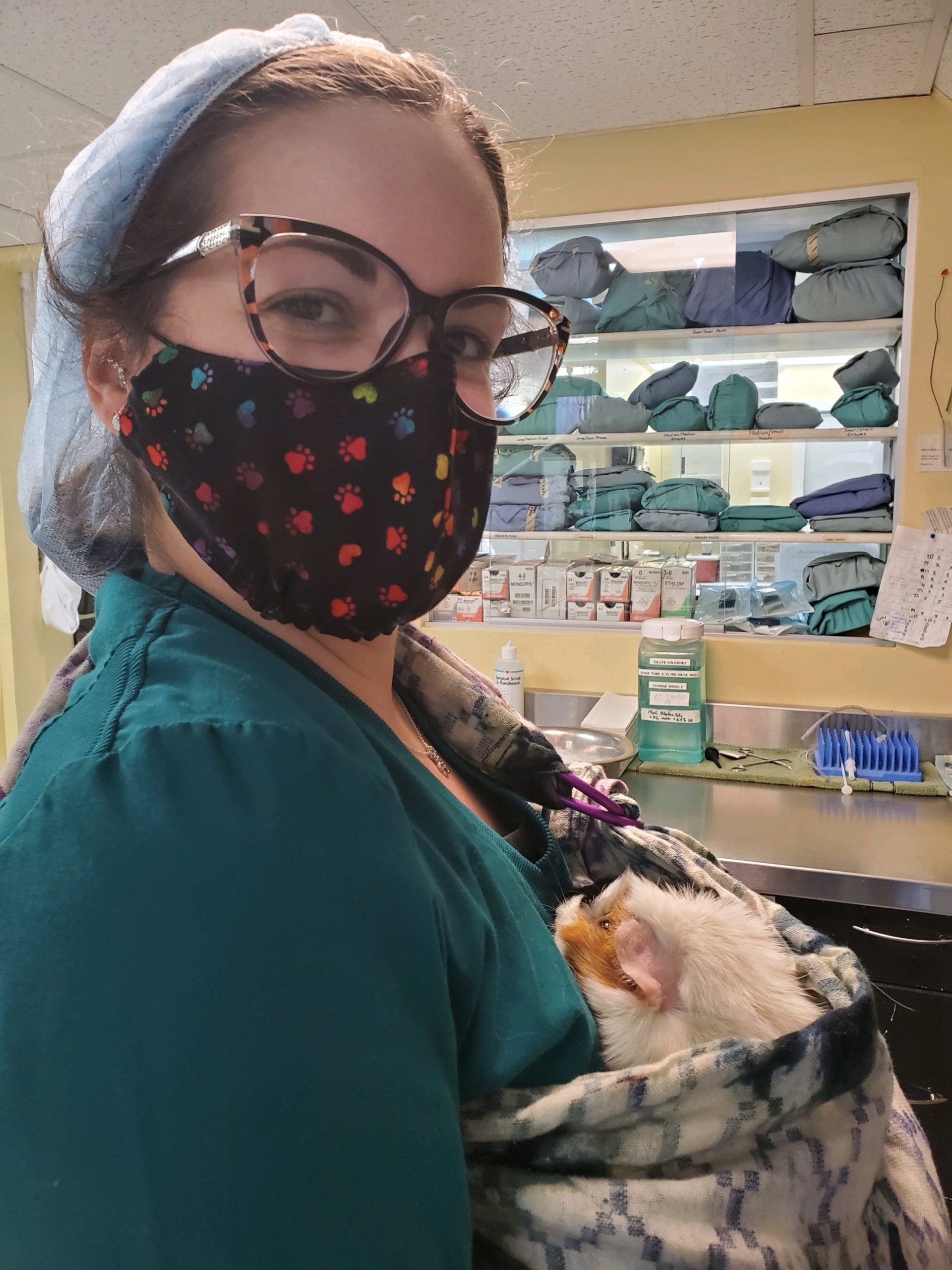
For over 40 years, Northside Animal Hospital has provided comprehensive, compassionate care to the pets of Greater Manchester and surrounding areas, including Bow, Candia, Londonderry, and Goffstown. We have remained privately owned and operated to deliver individualized veterinary care and personal client service. We want to be your other family doctor for years to come!
Despite the COVID-19 pandemic challenges, we chose to look to the future and broke ground on a hospital expansion and remodel project in 2020. In addition to increased space, the highlights of this project include a brand-new surgery suite, direct digital X-ray, and soundproofing for the comfort of anxious and reactive patients. Every detail of this project has been designed to give your pets the highest standard of care and a positive experience at our veterinary hospital.
Veterinary Care at Northside Animal Hospital
We evaluate each case to meet the unique needs of the pet and their family. Your pet’s experience in the hospital is important to us, and we take great care to ensure a positive and comfortable visit for all. As pet parents and healthcare professionals, our mission is to provide your pets with the standard of veterinary care that we want for our own animal family members. We offer personalized recommendations for a healthy-pet lifestyle and the preventive care services needed to maintain it. When your pet becomes ill, we’ll be there for you, too, with convenient pharmacy options and state-of-the-art diagnostic and surgical equipment to help them feel better fast.
About Us
What makes us unique?
There are no cookie-cutter work-ups or broad recommendations for your animal family members when you trust their care to us. Each pet is an individual with diverse needs that vary by species, age, breed, and lifestyle. We enjoy getting to know you and your pets on a personal basis to help you make the best choices for them. As a reliable community resource in Greater Manchester and the surrounding areas for over 40 years, we’re proud to serve generations of local families and newcomers alike.
We strive to be “your other family doctor” with competency in treating a diverse array of companion pets, including dogs, cats, rabbits, other small mammals, and reptiles. At a time where endless information is available at our fingertips, having access to a trustworthy local resource is invaluable. We’re here to help your animal family members live the fullest, healthiest lives possible.